
Tetra Pak5 years ago
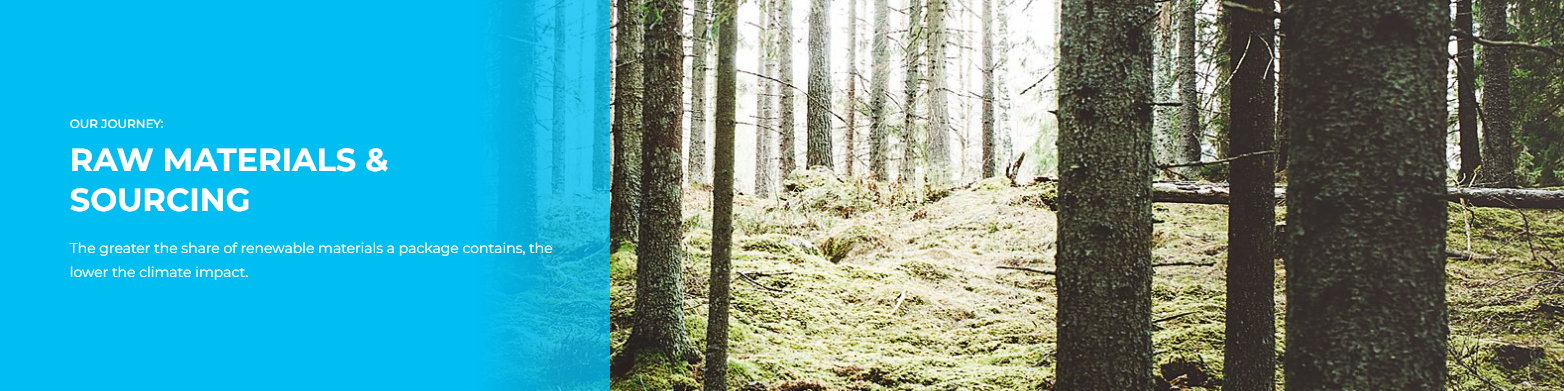
Renewable materials are the foundation of the world's most sustainable food package
The future of packaging: responsible, renewable and recyclable As the global demand for packaged foods rises, the need to find more sustainable packaging solutions becomes more urgent. Much of the food packaging we use today is made of fossil- based plastic, and if plastic production continues to rise it may account for 15% of the planet's annual carbon emissions budget by 2050[1]. But there is hope on the horizon. As consumers demand more climate-friendly solutions, food producers and retailers are responding by using more plant-based alternatives in their packaging. Plant-based renewable resources are natural materials, such as wood and sugarcane, that absorb CO2 from the atmosphere as they grow. The greater the share of renewable materials a package contains, the lower the climate impact[2]. That makes renewable packaging an important part of the move towards a low-carbon circular economy. As the use of renewable materials grows, responsible, sustainable sourcing will become even more important. To maintain fragile ecosystems, companies will need to promote biodiversity, land restoration and regeneration of the land. Achieving the world's most sustainable package Our ambition is to deliver the world's most sustainable food package. Currently, our carton packages are made of on average 70% paperboard from renewable wood fibres. And we're working to increase this by, for instance, offering paper-based straws and sugarcane-based plastic layers and caps. To ensure that our materials are sourced responsibly and sustainably, we are working to voluntary sustainability standards, such as those from the Forest Stewardship CouncilTM (FSCTM)[3]. 100% of our packages are FSCTM-certified, meaning that the forests where we source our raw materials are managed in a way that protects biodiversity and ensures renewability. We want to ensure responsible sourcing, even when exploring new alternatives in renewable packaging, which is why all our sugarcane-based plastic is Bonsucro-certified. This means it's fully traceable to its sugarcane origin, ensuring a transparency that drives ethical, responsible business practices across the full supply chain. As a founding member of the Aluminium Stewardship Initiative (ASI), we're helping to set global standards that raise the bar for aluminium production, both environmentally and socially, and we require all our aluminium foil suppliers to be ASI-certified. Finally, we aim for fully recyclable carton packages made solely from renewable and recycled materials.Share